
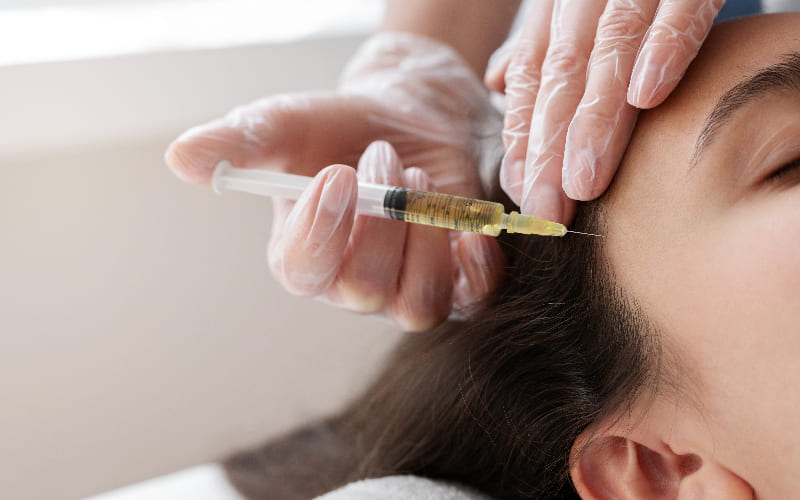
In recent years, PRP Therapy Safe for Hair and Skin has become a widely discussed topic in the world of aesthetics and dermatology. Many clinics, including LBC LASER MD, are offering this advanced treatment as a natural solution for hair loss and skin rejuvenation. But is it truly safe? Experts suggest that Platelet-Rich Plasma (PRP) therapy is generally considered safe when performed by trained professionals using sterile techniques and proper protocols.
What is PRP Therapy?
PRP (Platelet-Rich Plasma) therapy is a non-surgical treatment that uses your own blood to stimulate healing and regeneration. A small amount of blood is drawn, processed to concentrate the platelets, and then injected into targeted areas such as the scalp or face.
These platelets are rich in growth factors, which help:
- Stimulate hair follicles
- Boost collagen production
- Improve skin texture and elasticity
Clinics like LBC LASER MD emphasize PRP as a natural and minimally invasive option because it uses the patient’s own biological material, reducing the risk of allergic reactions.
PRP Therapy Safe for Hair and Skin: What Experts Say
Safety for Hair Restoration
Dermatologists widely recommend PRP for hair loss conditions like androgenetic alopecia. Since it uses your own plasma, the chances of side effects are minimal. Most patients may experience mild redness or swelling, which subsides within a few hours to days.
Experts highlight that PRP:
- Improves hair density and thickness
- Strengthens weak hair follicles
- Slows down hair fall
Safety for Skin Rejuvenation
PRP is also known as the “vampire facial” when used for skin treatments. It helps reduce fine lines, acne scars, and dullness.
According to professionals:
- It enhances natural collagen production
- Improves skin tone and hydration
- Has minimal downtime compared to invasive procedures
Again, leading providers like LBC LASER MD ensure strict hygiene standards, making the procedure safe and effective.
Possible Side Effects and Risks
While PRP therapy is considered safe, it is important to understand potential risks:
- Mild pain at injection site
- Temporary swelling or redness
- Rare risk of infection if not done properly
Choosing a certified and experienced clinic significantly reduces these risks. Always consult a qualified professional before starting treatment.
Who Should Avoid PRP Therapy?
Although PRP is safe for most people, it may not be suitable for individuals with:
- Blood disorders
- Active infections
- Chronic liver disease
- Certain skin conditions
A proper medical evaluation is necessary to determine eligibility.
Best Stretch Marks Treatment with PRP
PRP is now being combine with other technologies to offer the Best Stretch Marks Treatment. When injected into stretch-marked areas, PRP stimulates collagen and elastin production, helping improve skin texture and reduce the appearance of marks over time.
Experts often combine PRP with:
- Microneedling
- Laser therapy
- Skin resurfacing techniques
This combination approach enhances results and promotes smoother, firmer skin.
FAQs About PRP Therapy Safe for Hair and Skin
1. Is PRP therapy completely safe?
Yes, PRP therapy is generally safe because it uses your own blood. When performed at trusted clinics like LBC LASER MD, the risk of complications is very low.
2. How many PRP sessions are needed for hair growth?
Most experts recommend 3–4 sessions spaced a few weeks apart, followed by maintenance treatments depending on individual results.
3. Are there any long-term side effects of PRP?
PRP therapy has minimal long-term side effects. Since it is a natural treatment, adverse reactions are rare when done correctly.
4. Is PRP painful?
You may feel mild discomfort during injections, but numbing creams are often used to make the procedure more comfortable.
5. How soon can I see results?
For hair treatment, visible improvement may take 2–3 months. For skin, you may notice a glow within a few weeks.
6. Can PRP help with stretch marks?
Yes, PRP is considered one of the Best Stretch Marks Treatment options when combine with other procedures like microneedling or laser therapy.